
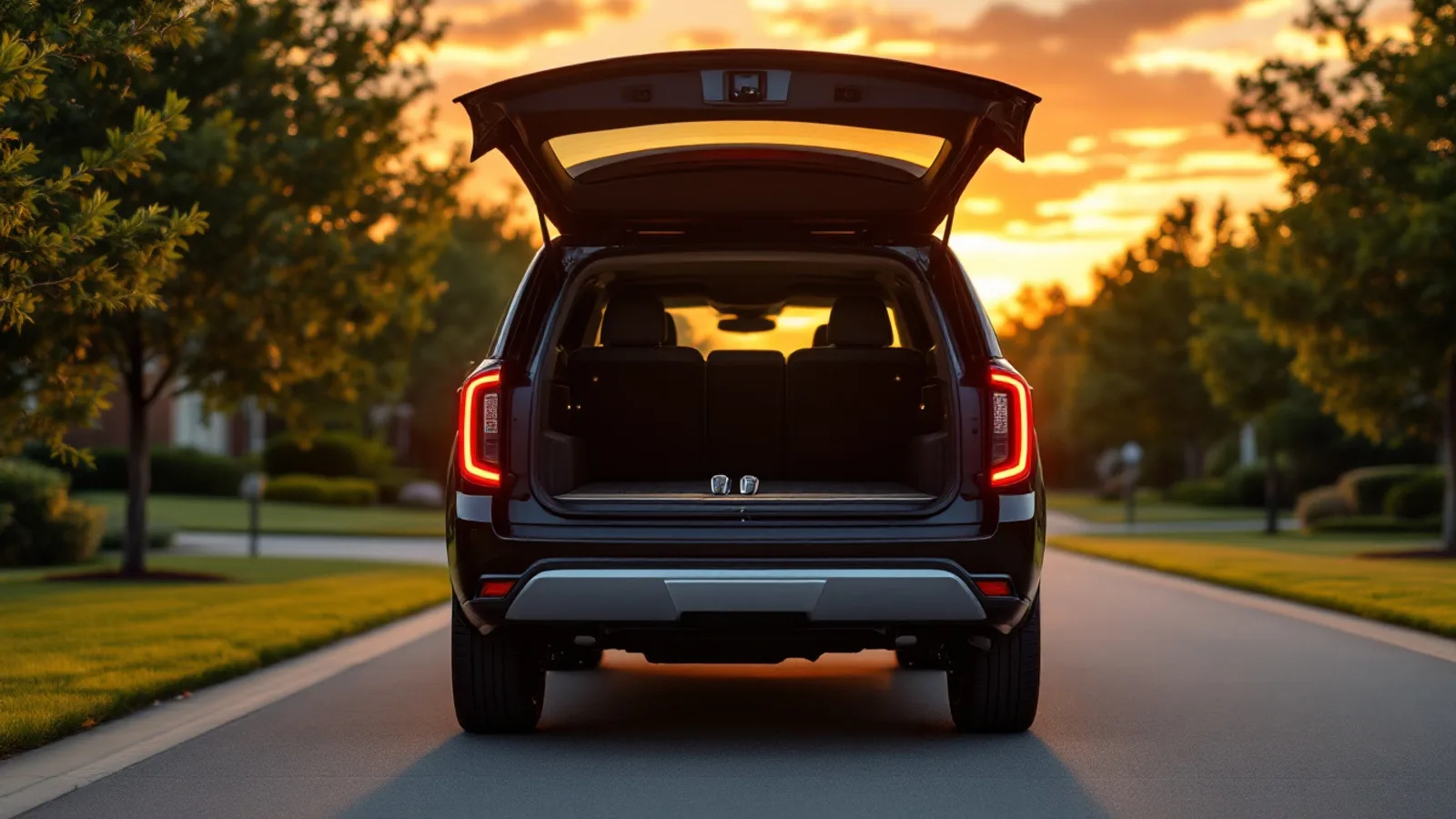
Chevrolet Tahoe and Suburban Spare Key in Dallas: Make It Before You Need It
As of July 2026, a Tahoe or Suburban spare key in Dallas runs $160-$500 versus $75-$250 more in an all-keys-lost. The math on making the second key now.
The Second Key Is the Cheapest Insurance on Your Truck
Almost nobody calls a locksmith to buy a spare key. They call after the only key went into a lake at Ray Hubbard, disappeared at a soccer field in Garland, or went home in a valet's pocket. That is the expensive version of the same phone call, and the difference is not a small premium — it is a structurally harder job with a surcharge attached to it.
As of July 2026, a spare for a Chevrolet Tahoe or Suburban in Dallas runs $160 to $280 for a remote head key, $180 to $320 for a flip key, or $250 to $500 for a full proximity fob, programmed on-site while your working key is still in your hand. Lose every key first and you add $75 to $250 to that number, plus the time cost of a vehicle that cannot be moved. Against the dealer path, which commonly totals $700 to $1,100+ all-in once you count the OEM part, dealership labor, a tow for a truck that cannot drive itself there, and the service queue, the case for making the second key on a Tuesday afternoon is not close.
This guide lays out what GM's theft-deterrent system is doing under the surface, the real difference between a remote-only fob and a proximity fob on these trucks, how the relearn works, and the honest boundary on the newest architecture.
Why All-Keys-Lost Costs More: the Actual Reason
The surcharge is not opportunism. It reflects genuinely different work.
When a working key exists, the vehicle already trusts a valid credential, and an automotive locksmith can lean on that trust to authorize a new one. The security module is cooperative, the relearn is short, and the whole visit is measured in minutes rather than hours.
When no working key exists, that shortcut is gone. The technician is now asking a system that was engineered specifically to reject unknown keys to accept a brand-new one from nothing. That means non-destructive entry into a locked vehicle, cutting a blade to the vehicle's factory key code rather than duplicating an existing one, and performing a security procedure against the module that generates and enrolls a fresh credential. On GM trucks that procedure frequently includes a timed security relearn — a deliberate wait built into the system so that a thief cannot brute-force credentials in a parking lot. That wait is not padding on the invoice; it is the manufacturer's anti-theft design, and it is the single biggest reason an all-keys-lost visit runs longer than a spare.
Everything in the surcharge traces back to that shift from copy an existing trust to manufacture a new trust. The comparable recovery on a premium GM platform is walked through in our Cadillac Escalade all-keys-lost guide for Dallas.
How GM's Theft Deterrent System Works on These Trucks
Chevrolet's immobilizer has gone by several names over the years — Passlock, PK3, PK3+, and simply "theft deterrent" on the dash — but the architecture has been consistent in shape.
The BCM (Body Control Module) is the security host. It holds the key records, verifies whatever credential is presented, and communicates with the ECM (Engine Control Module) to authorize or block starting. On key-turn trucks, the credential is a transponder in the key head read by an antenna at the ignition. On push-button trucks, it is an encrypted proximity fob detected by low-frequency antennas around the cabin and doors. Either way, the BCM is the gatekeeper and the ECM is the enforcer.
When that conversation fails, the dash tells you in one of a few ways: a theft-deterrent icon, a Service Theft Deterrent System message, or simply an engine that cranks strongly and refuses to fire. Because the BCM also runs a long list of unrelated body functions, a genuinely failing BCM can produce a scatter of symptoms — flaky remote functions, odd lighting behavior, intermittent no-starts — that owners rarely connect to their keys. Sorting a bad key from a bad module is exactly the work covered by our GM theft deterrent no-start service, and the Chevrolet brand page lays out the platform detail.
The Silverado connection
Tahoe, Suburban, and Silverado share their underlying platform and, broadly, their security architecture. That is genuinely useful information for an owner: a shop that handles GM full-size trucks competently handles all three, and if you own a Silverado alongside the family Suburban, the same visit can often cover both. GMC's Yukon and Sierra sit on the same family as well — see the GMC brand page — and Cadillac's Escalade is the premium branch of the same tree, covered on the Cadillac brand page.
Remote-Only Fob vs. Full Proximity Fob: Know Which You Have
This is the distinction that most changes your price, and plenty of owners genuinely do not know which one they own.
A remote head key or flip key is a physical key blade with a transponder chip in the head and remote buttons built in. You put it in the ignition and turn it. The remote buttons handle lock, unlock, and remote start; the chip handles the immobilizer. These sit in the $160 to $320 band depending on style, and they are the more forgiving job because the credential path is simple.
A proximity fob has no blade you use routinely — usually just a hidden emergency blade — and never enters an ignition. You keep it in a pocket, the truck detects it, the doors unlock on approach or touch, and you press a start button. That fob is doing continuous encrypted conversation with the vehicle, and it sits in the $250 to $500 band.
The practical test: if you put a key into a slot and twist, you have the first type. If you press a button on the dash and the truck starts with the fob in your bag, you have the second. If you are shopping fobs online and cannot tell which you need — which is common on higher trims where both existed in the same model year — a car key locksmith in Dallas can identify it from the VIN in under a minute, and it is worth the phone call before you spend money on the wrong part. The general trade-offs between fob types are broken down further in our Cadillac key replacement guide for Las Colinas.
Common Chevrolet Problems We See
Tahoe: remote start works, key won't start the truck
A confusing and very common presentation. The remote functions are fine — doors lock, remote start cycles the engine — but with you in the seat the truck refuses. That is because remote start and immobilizer authorization are different permissions. Remote start runs a supervised cycle the vehicle controls; driving requires a verified credential inside the cabin. This pattern usually points at the transponder or the detection path, not the fob's radio side.
Suburban: the family fleet with one key
Large-family vehicles get shared, and shared vehicles lose keys. The typical Suburban household has two or three drivers and — remarkably often — one working key that everybody hands off. That is a single point of failure on the vehicle the household depends on most. Two keys is the minimum on any vehicle more than one person drives.
Silverado: worn key, worn cylinder
Work trucks earn their wear. A blade that has been in and out of a cylinder for a decade rounds off, and a cylinder that has taken years of keyring weight develops its own slop. Symptom: the key has to be wiggled, or works from one angle, or works cold and not hot. Cutting a fresh blade to the factory code — not duplicating the worn one — often restores normal operation at a fraction of an ignition repair. Duplicating a worn key just copies the wear.
Any GM truck: theft light after a dead battery
Deeply discharging the vehicle battery, or jumping it carelessly, can leave the BCM confused enough to reject a perfectly good key. Before assuming module failure, a competent technician verifies battery and charging health, because a $200 diagnostic conclusion that was really a battery problem is a bad outcome for everybody. Dash-message triage of this kind is handled through our no key detected and immobilizer issues service.
Spare Now vs. All-Keys-Lost Later: the 2026 Math
| Scenario | What the technician is doing | Dallas range (2026) |
|---|---|---|
| Spare remote head key, working key present | Cut blade, enroll credential to BCM | $160 – $280 |
| Spare flip key, working key present | Cut and assemble blade, enroll credential | $180 – $320 |
| Spare proximity fob, working key present | Enroll keyless credential to BCM | $250 – $500 |
| All-keys-lost, key-turn Tahoe or Suburban | Entry, cut to code, security relearn | Add $75 – $250 |
| All-keys-lost, push-button Tahoe or Suburban | Entry, generate and enroll proximity credential | Add $75 – $250 |
| Vehicle lockout, key exists (daytime) | Non-destructive opening only | $85 – $200 |
| Vehicle lockout, after hours | Non-destructive opening only | $125 – $275 |
| Newest global-architecture VINs | May require manufacturer authorization | VIN check before dispatch |
| Dealer path (part + labor + tow + queue) | Same result, more steps | Commonly $700 – $1,100+ all-in |
Read the table as a decision rather than a menu. The gap between the spare row and the all-keys-lost row is the price of procrastination, and it does not include the afternoon you lose standing next to a truck you cannot move.
The Honest Boundary on the Newest GM Trucks
For the large majority of Tahoes and Suburbans on Dallas roads, this is straightforward on-site work: a mobile specialist cuts, programs, and verifies in your driveway or a parking lot with the same result as the dealership.
The honest exception is at the newest end. GM's more recent global electrical architecture puts stronger gatekeeping around security-relevant operations, and on some of those VINs certain procedures can require manufacturer-side authorization that no independent tool legitimately bypasses. Where that applies, the correct answer is dealer or GM-authorized service — and a reputable shop determines that from the VIN on the phone rather than after collecting a trip charge.
Be skeptical of anyone who promises any GM truck, any model year, all-keys-lost, guaranteed, without asking for a VIN. The framework governing who may access secure vehicle functions is published by the National Automotive Service Task Force, and a shop that acknowledges it is telling you the truth about your specific truck.
What a Dallas Spare-Key Visit Looks Like
- Phone call with the VIN. Model, year, and VIN identify the exact key type and whether the truck is serviceable, and produce a flat-rate quote before dispatch.
- Meet the truck where it is. Home driveway, office lot, or a job site — the whole point of mobile service is that the vehicle never has to move.
- Ownership verification. Photo ID plus registration or title. This is standard practice on any job that creates a working credential, and it protects you as much as anyone.
- Cut the blade to code. For keyed models, cutting to the factory code rather than duplicating a worn key restores proper fit.
- Program to the BCM. The new credential is enrolled alongside your existing key, which stays active.
- Verify everything. Start the truck, test lock and unlock, test remote start if equipped, and confirm both keys work independently.
Adding a spare while a working key exists is usually the shortest visit a truck owner ever books. We run it identically across Dallas, Mesquite, Garland, and Rockwall. If you are already past the spare stage and every key is gone, the recovery sequence is laid out under lost car keys; if the key works but the remote functions do not, that is a separate and cheaper fix under key fob programming.
Frequently Asked Questions
Q: How much does a spare key for a Chevy Tahoe cost in Dallas in 2026? A: A spare runs $160 to $280 for a remote head key, $180 to $320 for a flip key, or $250 to $500 for a full proximity fob, programmed on-site while your working key is present. That is the cheapest version of this job, because the technician can lean on the credential your existing key already carries rather than generating one from nothing.
Q: Why is losing all my keys so much more expensive than making a spare? A: Because the work changes completely. With a key present, the vehicle already trusts a valid credential and the new one is enrolled quickly. With no key at all, the technician has to open the vehicle non-destructively, cut a blade to the factory code, and run a security relearn that on GM trucks often includes a deliberate timed wait — which is why the surcharge is $75 to $250 and the visit runs longer.
Q: What is the difference between a remote head key and a proximity fob on a Suburban? A: A remote head key has a blade you insert and turn, with the immobilizer chip and remote buttons in the head, and sits in the $160 to $280 band. A proximity fob never enters an ignition, is detected by antennas around the cabin, and pairs with a push-button start, sitting in the $250 to $500 band. Your VIN identifies which one your truck uses.
Q: My Tahoe's remote start works but the truck won't start with me in it. Why? A: Because those are two different permissions. Remote start is a supervised cycle the vehicle itself controls and does not require a verified driving credential, while actually driving away does. When remote functions work and starting does not, the problem is usually on the transponder or detection side rather than the fob's radio side, and it points at the immobilizer chain.
Q: Can a mobile locksmith make a Chevy key without towing my truck to the dealer? A: Yes, for the large majority of Tahoes, Suburbans, and Silverados, key cutting and programming happen at your location and the truck drives away the same visit. The exception is a subset of the newest GM global-architecture VINs where certain security operations may require manufacturer authorization, which a reputable shop identifies from the VIN before dispatching anyone.
Q: Does making a new key cancel my existing keys? A: No when you are simply adding a spare — your current key stays active alongside the new one, which is exactly what you want in a multi-driver household. In an all-keys-lost recovery the previously enrolled credentials are invalidated as the new key is registered, so a key that later turns up or was stolen can no longer start the truck.
The Bottom Line
A Tahoe or Suburban with one key is a truck with a countdown on it. The second key costs $160 to $500 depending on type and takes a short visit while your existing key is in your hand. The same truck with zero keys costs that plus a $75 to $250 surcharge, takes considerably longer thanks to GM's deliberate security relearn timing, and strands the vehicle wherever it happens to be parked. Make the spare on your schedule instead of the truck's. Have your model, year, and VIN ready and call (469) 896-4128 — Dallas Locksmith Pros answers 24/7 and quotes flat-rate before dispatch.
Written by the mobile automotive team at Dallas Locksmith Pros, who cut and program GM truck keys on-site across Dallas and the surrounding metroplex.
Related articles
Chevrolet Silverado Spare Key in Dallas: The Cheapest Job We Do, and Why That Matters
As of August 2026, a Silverado spare key in Dallas runs $120-$300 by type. The all-keys-lost version of the same truck costs multiples more.
Read moreCadillac Escalade All-Keys-Lost in Dallas: 2026 Cost Guide
As of July 2026, Cadillac Escalade all-keys-lost in Dallas runs $250-$500 for a smart fob plus a $75-$250 AKL surcharge. GM no-start explained.
Read moreCadillac Key Replacement in Frisco: 2026 Cost, Fobs & No-Start Help
2026 Cadillac key replacement in Frisco: Escalade/CT5/XT5 proximity fobs $250-$500, all-keys-lost adds $75-$250, plus GM theft-deterrent no-start diagnostics.
Read moreNeed a Dallas locksmith right now?
Licensed mobile automotive locksmith. Same-day response across DFW.
Call (469) 896-4128