
Hyundai and Kia Ignition Repair in Dallas: Rebuild the Cylinder or Replace the Assembly?
As of July 2026, Hyundai and Kia ignition repair in Dallas runs $250-$480 depending on rebuild versus replace. Sonata, Elantra, Tucson, Sorento, Telluride.
The Only Question That Actually Sets the Price
Every Hyundai and Kia ignition job in Dallas comes down to one fork in the road: can the existing lock cylinder be rebuilt and re-keyed to the key already in your pocket, or does the whole assembly get replaced and every key relearned to the car? As of July 2026, that single decision is the difference between roughly $250 to $350 for a rebuild and roughly $180 to $480 for a replacement plus the immobilizer relearn that follows it — and it is decided by the physical condition of the parts, not by which one a shop would rather sell you. This guide walks the decision the way a technician walks it, so you can hear a quote and know whether it makes sense.
Hyundai and Kia are among the most common cars we see across Irving, Plano, Carrollton, and Lewisville, and their ignition hardware spans an unusually wide range for two related brands — from plain turn-key Elantras with a mechanical lock and a transponder ring, to Tellurides and Palisades with no ignition cylinder at all. Because that spread is so wide, "Hyundai ignition repair" means four or five genuinely different jobs. Our ignition repair service handles the mechanical and key-side work across that whole lineup, and the broader automotive locksmith service covers everything adjacent to it.
What "Rebuild" Actually Means
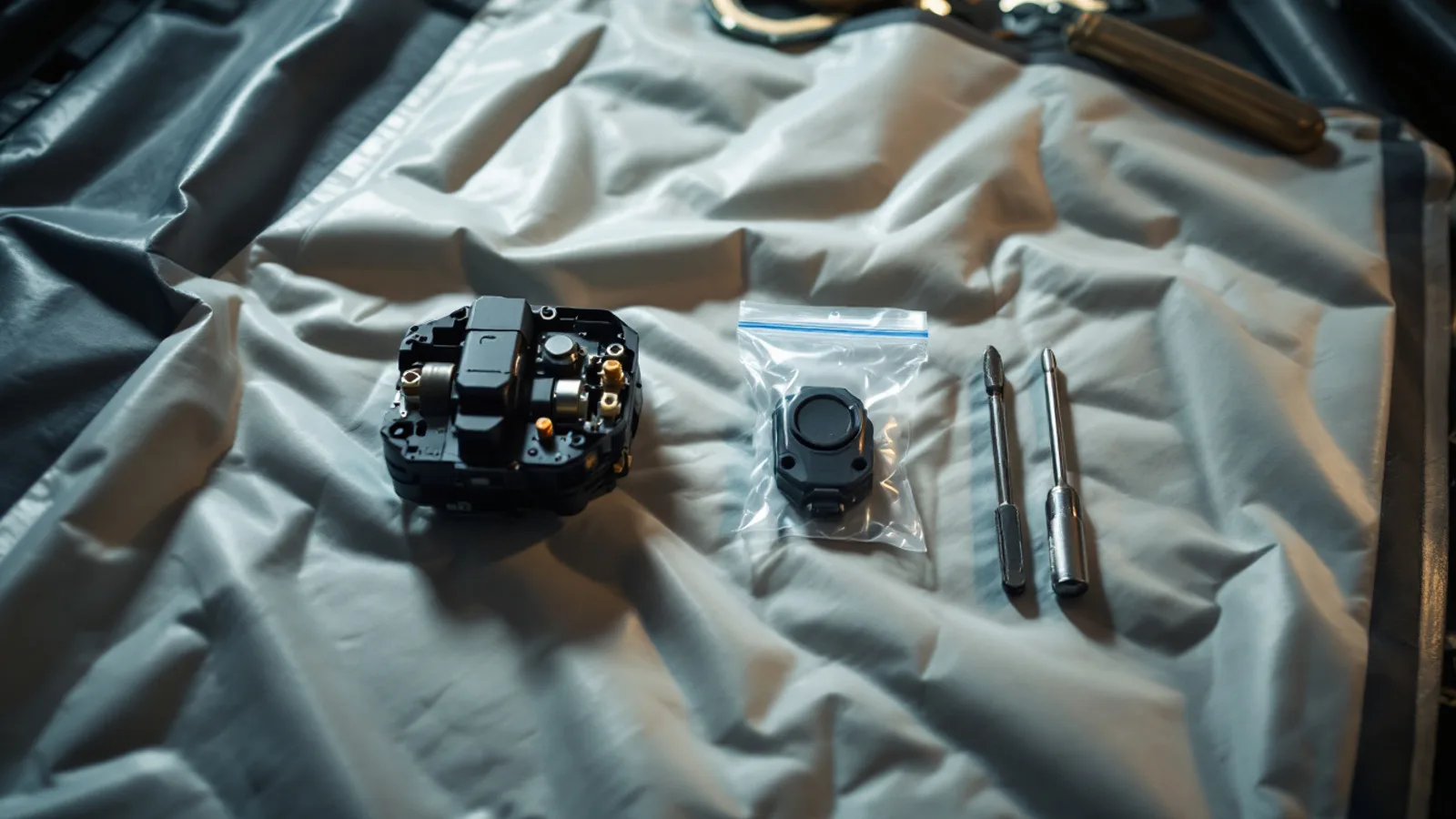
A rebuild is not a euphemism for cleaning. On a turn-key Hyundai or Kia, the lock cylinder is pulled from the housing and disassembled on the bench. Inside are a stack of wafers riding in slots, their return springs, a retainer clip, a cam that drives the electrical switch, and — after eight or ten Texas summers — a paste of old grease and road grit that has stopped lubricating and started grinding.
A rebuild replaces the wafers and springs with fresh ones cut to the depths your existing key already demands, clears the housing, re-shims the cam, and reassembles. The result is a cylinder that accepts the key you have been using, with the crisp detent feel it had when the car was new.
Rebuild is the right answer when:
- The housing and cam are undamaged. Wear on consumable internals is normal. Damage to the aluminum housing or a chewed cam is not.
- Your key is still in good shape or can be re-cut to factory code so the rebuilt wafers have something clean to read.
- The electrical switch behind the lock tests good. The lock and the switch are separate parts; a healthy switch does not need to leave the car.
- Nobody has already forced it. A cylinder that has been attacked with a screwdriver or drilled is scrap.
The big advantage is not just cost. A rebuild keyed to your existing key means no immobilizer relearn at all — you drive away with the same key, the same transponder credential, and the car none the wiser. That is one fewer step, one fewer variable, and one fewer line on the invoice.
What "Replace" Means, and the Relearn That Follows
Replacement means a new lock cylinder — and on some designs the full lock housing assembly — goes into the column. It is the correct call when the rebuild preconditions fail: a cracked or galled housing, a sheared cam, a cylinder that has been forced, a lock so worn it turns without a key, or a design where the internals simply are not serviceable.
The part people underestimate is what happens next. There are two possible outcomes and they cost differently:
Outcome A — the new cylinder is re-keyed to your existing key. A good technician tries for this first. The new cylinder gets wafered to your original key's code, you keep your key, and again there is no relearn.
Outcome B — the new cylinder takes a new key. Now you are holding a different blade with a different transponder chip, and that chip is a stranger to your car. The immobilizer has to be taught to trust it before the engine will run. That relearn is a separate step with its own tooling, and on Hyundai and Kia it is where a lot of half-finished driveway repairs fall apart: the mechanical work gets done, the key turns beautifully, and the car cranks and dies because nobody programmed the transponder. If you have ever been quoted "ignition replacement" without a word about programming, ask the question — it is one of the tells we flag in our guide to avoiding car key replacement scams in Dallas.
The Relearn Itself: What Your Car Is Actually Doing
Both brands run an immobilizer that sits between your key and the engine. On turn-key models, an antenna coil wrapped around the ignition lock housing energizes the transponder chip in the key head the moment you insert it. The chip answers with an encrypted response, the immobilizer unit checks it, and only then does the engine control unit permit fuel and spark. On push-button models, cabin and door antennas do the same handshake with a proximity fob.
A relearn writes a new key credential into that immobilizer's memory. Two practical consequences worth knowing:
- It usually requires the security data or PIN associated with your specific VIN, which is why proof of ownership is non-negotiable for this work. The whole system exists to make unauthorized key creation hard, in the spirit of the vehicle theft-prevention framework NHTSA publishes for the industry.
- Some relearn procedures wipe and rewrite the whole key list. When that happens, every key you want to keep has to be present at the appointment. Bring the spare from the kitchen drawer — showing up with one key and discovering the other one is now dead is an avoidable second appointment. Related programming work is covered under our key fob programming service.
The Turn-Key vs Push-Button Split Across the Lineup
This is the part that makes Hyundai and Kia ignition work different from a single-architecture brand. Within the same showroom, and often within the same model year, you can find both systems.
Sonata and Optima / K5
Mid-size sedans are where the split is starkest. Base trims for many years kept a conventional turn key with a transponder — those are classic rebuild-or-replace candidates. Higher trims moved to a proximity fob with push-button start, where there is no lock cylinder to wear out at all and a "won't start" complaint is an electronics question, not a mechanical one.
Elantra
The Elantra skews heavily turn-key across a long production run, which makes it the model we rebuild most often. High mileage, one original key, gritty rotation — the textbook rebuild candidate.
Tucson and Sportage
Compact SUVs straddle the line by trim and year. The tell is in your hand: if you insert and twist, it is a mechanical cylinder job. If you carry a fob and press a button, the ignition switch as a physical part does not exist on your vehicle.
Sorento, Telluride, and Palisade
The larger three-row SUVs are overwhelmingly push-button on recent model years. Here the failure modes shift entirely — a fob that is not detected, a start button that does nothing, a brake-pedal-position input the car does not trust. Those are diagnosed through the no key detected and immobilizer service, not through a cylinder rebuild.
Common Hyundai and Kia Problems We See
"The key turns halfway and stops"
Almost always wafer wear inside the cylinder, sometimes compounded by a key whose cuts have rounded off. This is the classic rebuild presentation, and testing a lightly used spare key first tells you which of the two is dominant.
"The key turns fine but nothing happens"
Mechanically clean rotation with no crank points past the lock cylinder to the electrical switch behind it, or to the starter circuit. A rebuild would be the wrong repair here — the lock is doing its job perfectly.
"It starts, then dies immediately"
This is the immobilizer signature, and it is the one people misread most often. The engine fires because the mechanical and electrical ignition path is intact, then the immobilizer refuses the transponder and cuts fuel. Replacing the cylinder would not fix it; programming the key would.
"The key will not come out"
Check Park first, then the brake lights. If both are fine, a worn cam inside the cylinder is not returning to the release position, which is a rebuild-or-replace question again.
"The button does nothing on my Telluride"
Push-button models with a dead fob battery, a fob that has fallen out of sync, or a proximity antenna fault. Start with a fresh coin cell and the emergency-start position your owner's manual describes before assuming anything expensive.
The Honest Boundary
Three things we will tell you rather than sell around.
Steering-column structure is not our work. If the column itself is damaged, if the lock housing has to come apart in a way that disturbs the airbag or clockspring, or if a collapsed column is involved, that is a body-and-column shop's job. We will diagnose it and say so.
Some replacement assemblies are dealer-supplied. On certain Hyundai and Kia designs, the correct lock housing or ignition assembly is only available as an OEM part with a lead time. We can do the labor and the programming, but nobody can conjure a part that has to be ordered — and a shop that promises same-day on a back-ordered assembly is guessing.
The newest platforms get confirmed by VIN, not by phone bravado. For the most recent model years and the encrypted smart-key architectures that come with them, a technician confirms your exact setup from the VIN before anyone is dispatched. That is the standard the National Automotive Service Task Force framework exists to support, and it is what separates a real diagnosis from a promise made at the curb.
Hyundai and Kia Ignition Repair Costs in Dallas (2026)
The table below is organized the way the decision actually runs — by which path the diagnosis puts you on, not by symptom.
| Decision path | When it applies | What is included | Dallas range (2026) |
|---|---|---|---|
| Rebuild, keyed to your existing key | Housing and cam sound, internals worn | Disassembly, new wafers and springs, re-shim, reassembly | $250 – $350 |
| Rebuild plus a fresh key cut to code | Rebuild warranted but the key is also worn | Above, plus transponder key cut and programmed | $210 – $400 combined |
| Replace, re-keyed to your existing key | Cylinder unserviceable, key still good | New cylinder wafered to your key code; no relearn needed | $180 – $400 |
| Replace, new key and immobilizer relearn | Cylinder unserviceable and key code unusable | New cylinder plus key credential written to immobilizer | $180 – $400 plus $120 – $280 relearn |
| Electrical switch replacement | Lock turns cleanly, no crank or intermittent power | New electrical switch behind the lock | $220 – $480 |
| Push-button start fault, no cylinder present | Telluride, Palisade, higher-trim Sonata and Sorento | Fob, antenna and start-system diagnosis | $250 – $550+ |
| No working key exists | All-keys-lost alongside ignition work | Recovery surcharge added to any row above | Add $75 – $250 |
| Dealer path, same job | Any of the above | Parts at retail plus labor plus tow plus queue | Commonly $700 – $1,100+ |
Read that table as a decision tree rather than a menu. You do not choose your row; the condition of the parts chooses it, and a technician should be able to show you exactly why. The deeper economics of that fork are laid out in our ignition repair versus replacement cost guide.
What a Dallas Appointment Looks Like
- Phone triage. Year, model, trim, and whether you insert a key or press a button. That last question alone routes the entire call.
- Bring every key you own. If a full relearn is required, keys not present at the appointment stop working. This is the single most common avoidable frustration on Hyundai and Kia jobs.
- Ownership verification. Photo ID plus registration or title before any credential is created — the immobilizer's whole purpose is to make that check meaningful.
- Free tests first. Spare-key comparison, Park-and-brake-light check, fob battery on push-button cars. These eliminate the expensive diagnoses at no cost.
- Bench inspection. The cylinder comes out and the rebuild-versus-replace call gets made on evidence, with the parts in front of you.
- Relearn and verification. If a new credential was written, every key is tested — crank, run, remote functions, key removal, and a hot restart before the technician leaves.
We run the same Hyundai and Kia service across Irving, Plano, Carrollton, and Lewisville. If you have lost the key entirely rather than fighting a cylinder, start at lost car keys; if the key exists but has simply worn out, car key replacement is the faster route. You can also reach us through contact.
Frequently Asked Questions
Q: Should I rebuild or replace the ignition cylinder on my Hyundai or Kia? A: Rebuild it if the housing and cam are sound and only the internal wafers and springs are worn, which is the common case at high mileage and runs about $250 to $350. Replace it if the housing is damaged, the cylinder has been forced, or the internals are not serviceable, which runs $180 to $400 plus a relearn if the new cylinder cannot be keyed to your existing key.
Q: Does replacing the ignition cylinder mean I need new keys programmed? A: Only if the new cylinder cannot be re-keyed to the key you already carry. A technician tries that first precisely because it avoids the relearn. When a new key blade is unavoidable, its transponder must be written into the immobilizer before the engine will run, adding roughly $120 to $280 depending on whether it is a basic transponder or a remote head key.
Q: My Kia starts and then immediately dies — is the ignition switch bad? A: No, that pattern is the immobilizer refusing the key, not an ignition switch failure. The engine fired, which proves the lock cylinder and the electrical switch both worked. The immobilizer then failed to authenticate the transponder and cut fuel, which points at the key chip, the antenna ring around the lock, or the immobilizer unit itself.
Q: My Telluride has push-button start and will not start. Is that an ignition repair? A: No, push-button models have no mechanical ignition cylinder to repair, so nothing can wear out there. A no-start on those vehicles is a fob, antenna, or start-system electronics question. Change the fob battery and try the emergency start position in your owner's manual first, then have the proximity system diagnosed if it persists.
Q: Do I need to bring my spare key to a Hyundai or Kia ignition appointment? A: Yes, bring every key you own. Some relearn procedures erase the vehicle's entire key list and rewrite it, which means any key not physically present at the appointment stops working and needs a separate paid visit later. Two minutes of hunting for the drawer key saves a second appointment.
Q: Can this be done at my house or workplace instead of a shop? A: Yes, cylinder rebuilds, cylinder replacements, electrical switch work, and immobilizer relearns are all mobile jobs done at your Dallas-area location, with the vehicle drivable when the technician leaves. The exceptions are structural steering-column damage and back-ordered OEM assemblies, both of which get flagged honestly before dispatch rather than at the curb.
The Bottom Line
Hyundai and Kia ignition pricing looks unpredictable until you see the fork underneath it. A rebuild keyed to your existing key is the cheap, clean outcome and needs no immobilizer relearn at all. A replacement is the right call when the housing, cam, or security of the lock is compromised — and the relearn that may follow is a real step, not an upsell. Add the turn-key versus push-button split across Sonata, Elantra, Tucson, Optima, Sorento, and Telluride, and you have a brand pair where the right question on the phone saves more money than any negotiation at the curb. Have your year, model, trim, and every key you own ready, then call (469) 896-4128 — Dallas Locksmith Pros answers 24/7 and quotes flat-rate before dispatch.
Written by the mobile technicians at Dallas Locksmith Pros, who rebuild, replace, and relearn Hyundai and Kia ignitions on-site across the Dallas metro.
Related articles
Honda Ignition Switch Repair in Dallas: Diagnosing Accord, Civic, CR-V and Pilot Faults
As of July 2026, Honda ignition system repair in Dallas typically runs $250-$480 by fault. How to tell a worn key from a cylinder, switch or interlock problem.
Read moreSubaru Outback and Forester Ignition Repair in Dallas: Why the Key Stopped Turning
As of August 2026, most Subaru key-won't-turn calls in Dallas are a bound steering lock or a worn cylinder, not a failed ignition. What it really costs.
Read moreDallas Ignition Repair vs Replacement: 2026 Cost Guide and How to Tell Which You Need
Ignition repair in Dallas runs $250-$350; replacement $180-$550. A 2026 guide to telling them apart — and why a mobile locksmith beats the dealer and the tow.
Read moreNeed a Dallas locksmith right now?
Licensed mobile automotive locksmith. Same-day response across DFW.
Call (469) 896-4128