
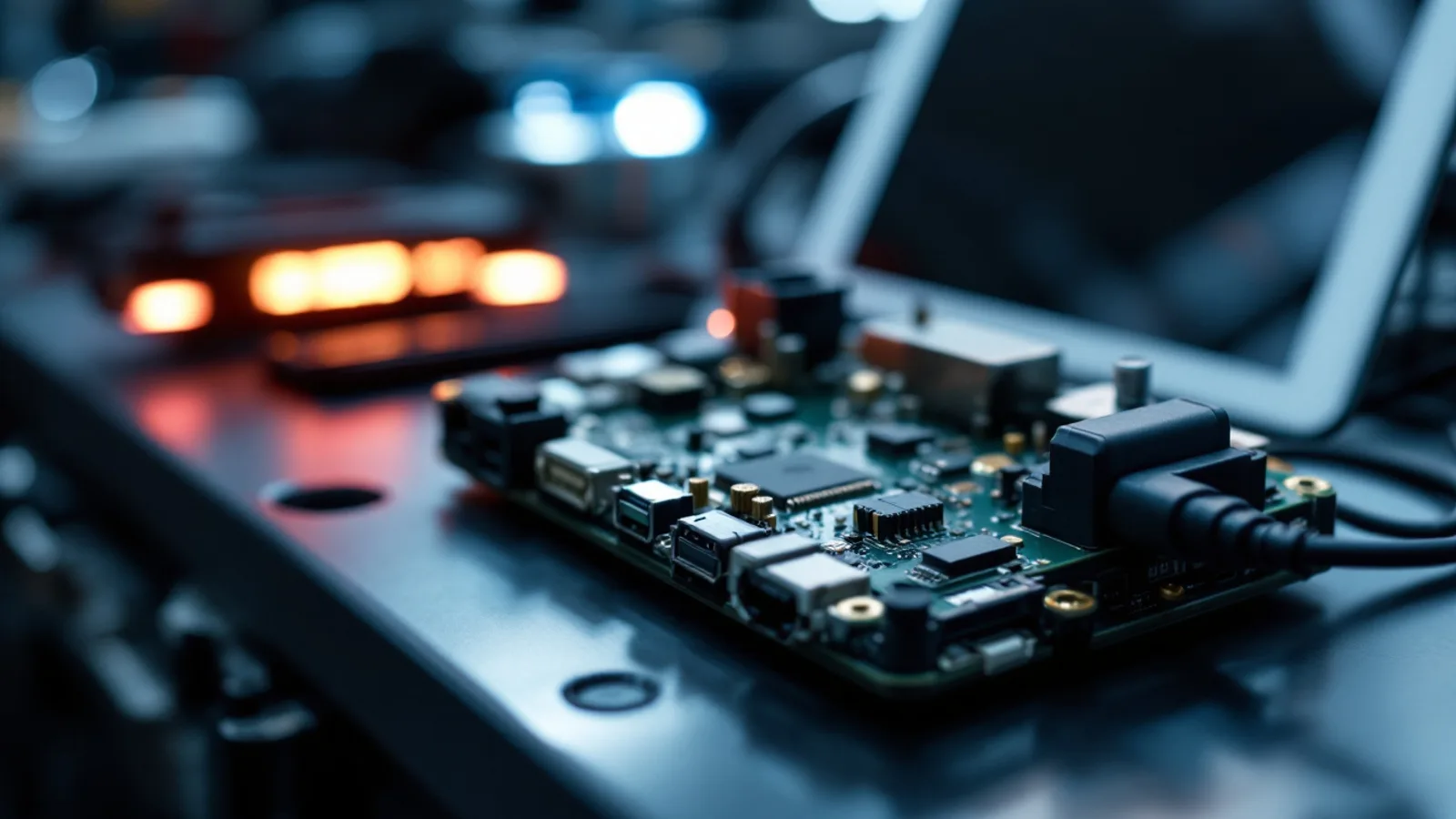
ABS Module Repair & Programming in Dallas
EBCM diagnosis, board repair, clone-to-VIN and replacement coded to your car on-site.
ABS module repair and programming restores the electronic brake control module — the EBCM — that manages anti-lock braking, traction and stability control. Dallas Locksmith Pros diagnoses the module, repairs the circuit board or clones it where the fault is electronic, and replaces and codes a new EBCM to your VIN when the board is beyond saving. All on-site, so a braking-fault car does not need a tow to move.
Quick Answer
ABS module repair or cloning in Dallas runs $250-$600, and replacing the EBCM with full VIN coding runs $600-$1,200. The right path depends on whether the fault is in the control board, which we can often repair, or in the hydraulic pump, which is mechanical work. We diagnose the module at your location before anything is replaced, so you never pay for parts the fault did not need. Quotes come from the VIN first.
What This Costs in Dallas
Ranges current as of July 2026. Final price depends on year, make, model, and whether a working key exists — confirmed on the phone before dispatch.
| Service | Typical range | What drives it |
|---|---|---|
| EBCM board repair | $250-$600 | Fixing a specific electronic defect on your module |
| EBCM clone to a matched unit | $250-$600 | Your data copied to a donor board |
| Replacement EBCM with VIN programming | $600-$1,200 | New or reman module coded to your VIN |
| Used EBCM virgin coding | $400-$900 | Donor module reset and coded to your car |
| Module coding after brake repair | $120-$280 | Re-initializing a module you already own |
| Typical dealer module total | $700-$1,100+ | Before the tow and the shop time |
What the EBCM Really Controls
The electronic brake control module is the computer that turns four spinning wheels into anti-lock braking, traction control and stability assistance. It reads a wheel-speed sensor at each corner dozens of times a second, compares them, and when one wheel starts to lock or spin it commands the hydraulic unit to pulse that brake independently. Stability control adds steering-angle and yaw input to decide when the car is sliding rather than the driver intending to turn. All of that logic lives in the EBCM's circuit board and firmware, which is why an electronic fault there disables anti-lock, traction and stability at once even though the brakes themselves still stop the car.
The Three Lights That Come On Together
The classic EBCM symptom is a cluster of warnings lighting as a set — the amber ABS light, the traction-control lamp, and often the stability or check-engine light — because all three functions share the one module. When the board develops a cracked solder joint, a failed valve driver, or a corrupted memory section, the car falls back to plain hydraulic braking and switches the assists off to stay safe. You may also feel it: no pedal pulse in a hard stop, traction control that never intervenes on a wet launch, or a speedometer that drops out because the module feeds wheel-speed data to the cluster. Reading the stored codes tells us which of those failures is in play.
No Communication: When the Module Goes Dark
A harder failure is the module that will not answer at all. When a scan tool reports no communication with the EBCM, the board has usually lost its power supply, ground, or internal processor — the module is electrically dead rather than merely reporting a fault. That is common on certain platforms where a known component on the board fails with age. A dead module also drops off the vehicle's data network, which can cascade into no-communication errors from other modules that were only relaying through it. We confirm power and ground at the connector first, because a wiring or fuse fault mimics a dead module, then decide whether the board can be revived or must be replaced.
Repair, Clone or Replace — and Why It Matters
There are three honest outcomes, and the fault decides which. If the failure is a specific board-level defect — a valve driver, a solder crack, a bad capacitor — we repair the original board and keep your coded module, the cheapest route at $250-$600. If the board is too damaged to repair but your car's data is readable, we clone that data onto a matched donor unit so the car sees its own module. If neither is possible, a new or remanufactured EBCM is fitted and coded to the VIN at $600-$1,200. We recommend repair or clone whenever they are viable, because they avoid the coding complications a virgin module can introduce.
Why a Replacement EBCM Must Be Coded to Your VIN
A brake module is not plug-and-play on a modern car. A replacement EBCM arrives either blank or carrying the donor vehicle's identity, and the car will reject it or throw mismatch faults until it is coded — programmed with your VIN, the correct brake and traction configuration, and often a variant coding that matches your exact options. On many platforms the module also has to complete a sensor calibration and a bleed or initialization routine before anti-lock will arm. Skipping the coding step is why a junkyard swap so often leaves the ABS light on. We code the replacement to your car and run the initialization before we call the job done.
The Honest Line: Module Faults Versus Pump and Hydraulics
Here is where we draw the line plainly: we repair and program the electronic control module, not the mechanical brake hardware bolted to it. Many ABS units combine the EBCM with a hydraulic pump and valve body, and when the failure is a worn pump motor, a seized valve, a leaking seal, or air in the system, that is mechanical work for a brake shop — not something a module reset or reprogram will fix. We diagnose which side of the assembly has failed and tell you honestly. If your fault is hydraulic, we say so and point you to mechanical repair rather than selling programming that cannot cure a physical problem.
Diagnosed and Coded in Your Driveway
Booking is simple. You give us year, make, model and VIN and describe the lights and symptoms; we quote a firm range over the phone. On arrival the technician verifies the car against the VIN, scans the module, and separates an electronic board fault from a mechanical or wiring cause before recommending repair, clone or replacement. Board repair and cloning are handled on-site or on a quick bench turnaround, and a replacement module is coded to your VIN and initialized in your driveway. We finish with a clean scan and confirm the ABS, traction and stability lights stay off through a road-ready check.
How ABS Module Repair & Programming Works, Step by Step
- 1
Phone quote from your VIN
You give us year, make, model, VIN and the lights and symptoms, and we quote a firm range covering repair, clone or replacement before a van rolls.
- 2
Scan and isolate the fault
On arrival we verify the VIN, scan the EBCM, and separate an electronic board fault from a hydraulic pump, valve or wiring cause before recommending a path.
- 3
Repair, clone, or replace the EBCM
We repair a specific board-level defect, clone your data onto a matched donor when the board is unsalvageable, or fit and code a replacement EBCM to your VIN.
- 4
Code and initialize the module
A replacement is programmed with your VIN and brake configuration and, where the platform requires, put through sensor calibration and a bleed or initialization routine so anti-lock will arm.
- 5
Confirm a clean scan and lights off
We finish with a clean fault scan and confirm the ABS, traction and stability lights stay off through a road-ready check; purely hydraulic faults we refer out honestly.
Where the honest limit is
Some of the newest gateway-protected vehicles route EBCM coding through a manufacturer online session, and a handful of security-linked brake modules remain dealer-only — we tell you which side your car sits on before a van rolls rather than after a service fee. Purely hydraulic or pump failures are mechanical repairs we will refer out honestly. A technician confirms your exact setup from the VIN before dispatch.
Need This Service?
Same-day mobile service across Dallas & DFW. Call or text us now.
Where the Dealer's Extra Cost Goes
Same programming result — but the dealership path stacks a tow, a bench-time charge, and franchise labor on top. Here is the line-item difference.
| Cost line | At the dealership | Dallas Locksmith Pros |
|---|---|---|
| Tow to the dealership | $120–$250 | $0 — we come to you |
| Diagnostic / bench time | $120–$200 | Included |
| Key or module (part) | Retail markup | Fair, quoted upfront |
| Programming labor | Franchise rate | Included |
| Days without the car | Often 2–5 | Same day |
| All-in, typical | $700–$1,100+ | Usually 40–60% less |
Ranges as of July 2026. Your exact price is confirmed from the year, make, and model before dispatch.
Reviewed by the Dallas Locksmith Pros team
Licensed Texas automotive locksmiths · DPS Private Security #B32279201
Related Services
Specialist Programming Services




































Frequently Asked Questions
Repairing or cloning an EBCM runs $250-$600, and replacing the module with full VIN programming runs $600-$1,200. The price depends on whether the fault is a fixable board-level defect or a module that has to be replaced and coded. We diagnose at your location first, so you only pay for the path your specific fault actually needs.
Because one module runs all three systems. When the EBCM develops an electronic fault it disables anti-lock, traction and stability together and falls back to ordinary hydraulic braking. The car still stops, but the assists are off. Reading the stored codes tells us whether the module, a wheel-speed sensor, or wiring is the actual cause before anything is replaced.
Often yes. A no-communication EBCM is usually electrically dead — a failed power supply, ground, or processor on the board — rather than reporting a live fault. We confirm power and ground at the connector to rule out a wiring or fuse issue, then determine whether the board can be repaired or must be replaced and coded to your VIN.
Yes, almost always. A new or used EBCM arrives blank or carrying another car's identity, so it must be coded with your VIN and brake configuration, and on many platforms calibrated and initialized before anti-lock will arm. Skipping that step is the most common reason a junkyard module swap leaves the ABS light on. We code and initialize the replacement on-site.
That is likely mechanical, not a module fix. Many ABS assemblies pair the electronic module with a hydraulic pump and valve body, and a worn pump motor, seized valve, or leaking seal is brake-shop work. We diagnose which half of the unit failed and tell you honestly — if the fault is hydraulic, we refer it out rather than sell programming that cannot cure a physical problem.
Yes — we work mobile across Dallas, 24/7. Diagnosis, board repair, cloning and replacement coding are handled at your vehicle, with only heavier board repairs occasionally needing a short bench turnaround. Because a braking-fault car should not be driven far, on-site service means no tow. We verify the car against the VIN and finish with a clean scan before leaving.
Get Expert Help Today
Mobile service across Dallas & DFW. Dealer-level tools. No guesswork.