
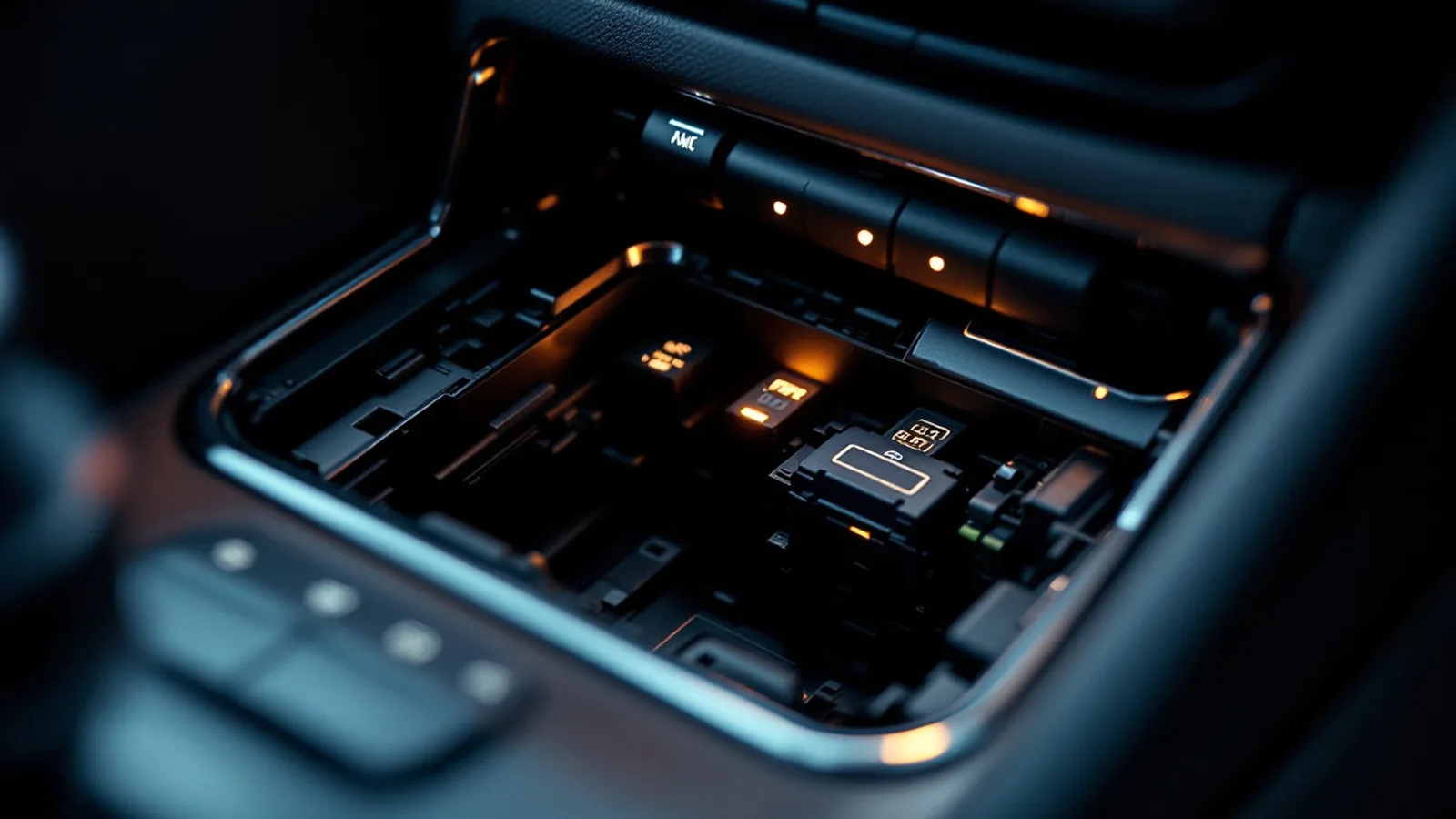
Saab Steering Lock & Key in Dallas
Console-ignition 9-3 and 9-5 keys, no-crank and electronic steering-lock faults, handled honestly.
Saab moved the ignition to the center console and tied starting to an electronic steering lock and the CIM or TWICE modules, so a Saab key or no-crank problem is rarely just a key. Dallas Locksmith Pros services Saab 9-3 and 9-5 keys and steering-lock faults on-site across Dallas — as a genuine specialist job, with an honest word on where orphaned-brand parts and tooling run out.
Quick Answer
A spare Saab key cut and programmed in Dallas runs $160-$320, and all-keys-lost work runs $75-$250 on top of that. Electronic steering-lock and CIM-related no-crank repairs sit in the $250-$600 module band, with a used module coded to your VIN at $400-$900. Because Saab is an orphaned brand, some parts and factory functions are genuinely limited — we say so from the VIN before dispatch.
What This Costs in Dallas
Ranges current as of July 2026. Final price depends on year, make, model, and whether a working key exists — confirmed on the phone before dispatch.
| Service | Typical range | What drives it |
|---|---|---|
| Spare Saab key (9-3 / 9-5 remote head) | $160-$320 | Cut and programmed into the CIM or immobilizer on-site |
| All keys lost | $75-$250 | Added to key cost; module security read when no key remains |
| Electronic steering-lock / no-crank repair | $250-$600 | CIM or column-lock faults diagnosed and coded |
| Used CIM / TWICE coded to your VIN | $400-$900 | Donor module cleared and married to your car |
| Immobilizer relearn after module work | $120-$280 | Re-teaching keys you already own |
| Dealer / specialist comparison | $700-$1,100+ | Where a franchise path even still exists for the brand |
Why the Ignition Lives in the Console
Saab's signature quirk is real engineering, not styling. On the 9-3 and 9-5 the ignition switch sits on the center console between the seats, a layout Saab kept from its aircraft heritage and its belief that a knee should never meet a key in a crash. Turning that switch no longer directly powers anything; it sends a request onto the car's network, and a control module decides whether to wake the fuel system, release the electronic steering lock and crank the engine. That means a Saab that will not start is often a communication or module problem, not a worn switch — and it changes how the whole job is diagnosed from the first minute.
The CIM and TWICE Modules Explained
Two modules do most of the deciding. The Column Integration Module, the CIM, appears on the GM-era 9-3 from 2003 onward and bundles the ignition read, the electronic steering lock, the wiper and indicator stalks and the immobilizer antenna into one column-mounted unit. On the 9-5 the TWICE module — Theft Warning Integrated Central Electronics — carries central locking, alarm and immobilizer duty. Both hold security data that ties specific keys to the car, so replacing either without coding leaves a vehicle that cranks but never runs. When a Saab reports a steering-lock fault or refuses to crank, the CIM or TWICE is usually where the answer lives, and both are read and coded on the car.
Classic Saab Failure Modes
A handful of complaints recur on these cars. The key sticks in the console and will not release, or turns with no response at all. The dash shows a steering-lock or ignition-switch fault and the engine will not crank. The CIM develops internal faults that scramble immobilizer recognition, so keys that worked yesterday are refused today. And on the 9-5, a tired TWICE module throws locking and alarm gremlins that eventually reach the start circuit. Battery condition and a corroded ground make all of it worse and noisier, so we test system voltage and read the network faults before condemning any single part, because the same symptom can have three very different causes.
Electronic Steering Lock Faults
Saab's electronic steering lock is a motorized bolt that pins the column when the car sleeps and must retract fully before starting is authorized. Inside sits a small motor, a gear train and a position sensor, and like every unit of its kind it wears — the drive binds, the pin stops short, and the sensor never reports clear, so the car withholds crank no matter how good the key is. On CIM-based 9-3s the lock is integrated with the column module, which raises the stakes of any repair. We command the retract cycle with live diagnostics and watch what the lock actually reports rather than guessing from the warning on the dash.
Why Saab Is Now a Specialist Job
Saab stopped building cars in 2011 and the brand has changed hands since, which reshapes every repair. New CIM and TWICE modules, certain keys and some dealer online functions are scarce, discontinued, or gone entirely, and the diagnostic tooling that once lived at every Saab dealer is now specialist equipment. That is not a reason to overcharge or to pretend; it is a reason to be precise. We source good used modules, code them to your VIN, and lean on the surviving parts network — but we quote from the VIN because what is achievable on a 2004 9-3 and a late 9-5 can differ sharply now that the factory is no longer behind them.
The Honest Boundary on Saab Work
Being a specialist means knowing where the road ends. Most 9-3 and 9-5 key, immobilizer and steering-lock work is very much still doable in the field, and we do it. But a few Saab jobs — a specific discontinued module with no viable used supply, or a function that required a live factory session that no longer exists — are genuinely beyond what any independent can finish today. When your car is one of those, we tell you before you spend a dollar rather than after a fruitless call-out. An honest no is worth more than an expensive maybe on an orphaned brand.
How a Dallas Saab Visit Works
The process is simple and stated up front. Call with the year, model and VIN and the exact symptom; we identify whether you have a CIM or TWICE car, what parts the job needs, and a firm price band before a van moves. Dispatch is around the clock across Dallas, and we verify ownership and identity on arrival. Key cutting, programming, immobilizer coding and steering-lock work happen at your location wherever possible, and the visit ends with a running car and every key verified. When a bench-level module repair is unavoidable, we tell you that during the phone quote, not in your driveway.
How Saab Steering Lock & Key Works, Step by Step
- 1
Phone quote from your VIN
We identify whether you have a CIM-based 9-3 or a TWICE-equipped 9-5, what parts the job needs, and a firm price band before a van moves.
- 2
Verify ownership on arrival
We confirm photo ID and proof of ownership before cutting or programming any Saab key or coding a CIM or TWICE module, on every visit.
- 3
Read the network and command the steering lock
We test system voltage, read the network faults, and run a live retract cycle on the electronic steering lock to see what it actually reports rather than guessing from the dash.
- 4
Cut, program, or code the module
We cut and program the key into the CIM or immobilizer, or source a good used CIM or TWICE and code it to your VIN when a module has failed.
- 5
Verify a running car and every key
The visit ends with the engine running and each key confirmed; when a job needs bench-level module repair we flag that during the phone quote, not in your driveway.
Where the honest limit is
Saab has been out of production since 2011, so certain modules, keys and factory online functions are scarce or gone, and a few Saab jobs are genuinely beyond what any independent can finish today — we tell you plainly which side of that line your car sits on. A technician confirms your exact setup from the VIN before dispatch.
Need This Service?
Same-day mobile service across Dallas & DFW. Call or text us now.
Where the Dealer's Extra Cost Goes
Same programming result — but the dealership path stacks a tow, a bench-time charge, and franchise labor on top. Here is the line-item difference.
| Cost line | At the dealership | Dallas Locksmith Pros |
|---|---|---|
| Tow to the dealership | $120–$250 | $0 — we come to you |
| Diagnostic / bench time | $120–$200 | Included |
| Key or module (part) | Retail markup | Fair, quoted upfront |
| Programming labor | Franchise rate | Included |
| Days without the car | Often 2–5 | Same day |
| All-in, typical | $700–$1,100+ | Usually 40–60% less |
Ranges as of July 2026. Your exact price is confirmed from the year, make, and model before dispatch.
Reviewed by the Dallas Locksmith Pros team
Licensed Texas automotive locksmiths · DPS Private Security #B32279201
Related Services
Specialist Programming Services


































Frequently Asked Questions
A spare 9-3 or 9-5 key runs $160-$320 cut and programmed, and all-keys-lost adds $75-$250. Electronic steering-lock and CIM-related no-crank repairs sit in the $250-$600 module band, with a used CIM or TWICE coded to your VIN at $400-$900. Because Saab parts are now scarce, we confirm the number from your VIN before dispatch.
On a Saab, turning the console switch only sends a request onto the network — the CIM or TWICE module and the electronic steering lock still have to agree before the car cranks. A no-crank with a working key usually means the steering lock failed to report clear, an immobilizer mismatch, or a module fault, all of which we read on the car rather than guess at.
Yes, in two ways. The console ignition and the CIM or TWICE architecture are Saab-specific, so the diagnosis and coding differ from a typical German car. And because the brand stopped production in 2011, parts and tooling are specialist items now. Both facts mean a Saab job is quoted from the VIN by someone who actually works on them, not from a generic price list.
Yes, always. We verify photo ID and proof of ownership — registration, title or matching insurance — before cutting or programming any Saab key or coding a module. It protects you as the owner and it is how a locksmith operating under the Texas DPS Private Security Program is required to work, on every make and every visit.
For most 9-3 and 9-5 models, yes — keys are available and good used CIM and TWICE modules can be sourced and coded to your VIN. A small number of specific modules and functions are genuinely discontinued with no viable supply, and when your car needs one of those we tell you honestly before you commit to a visit or a part.
Yes. A Saab that will not start cannot come to us, so we come to it anywhere in Dallas, around the clock — key cutting, programming, immobilizer coding and steering-lock diagnosis at your home, workplace or storage lot. Most visits finish with a running car; when a module needs bench-level repair, we flag that during the phone quote rather than on arrival.
Get Expert Help Today
Mobile service across Dallas & DFW. Dealer-level tools. No guesswork.