
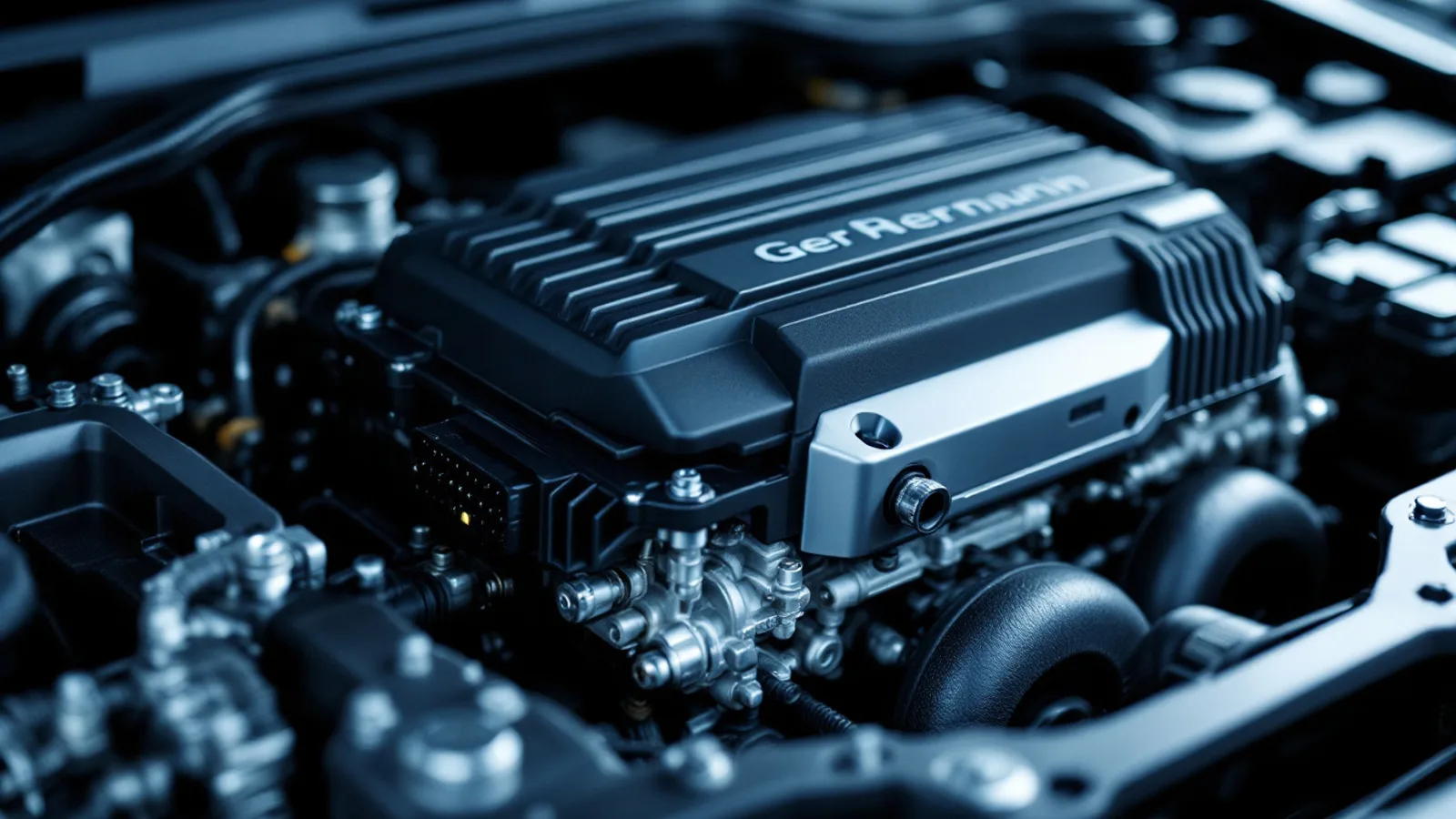
BMW DME / DDE Programming in Dallas
ISN synchronization, used-module alignment and ISTA-level coding for repair.
BMW puts engine management in the DME on gasoline cars and the DDE on diesels, and locks both to the vehicle with an Individual Serial Number. That ISN has to agree with CAS, FEM or BDC or the car cranks and never starts. Dallas Locksmith Pros aligns and codes these modules on-site, strictly for repair.
Quick Answer
BMW DME and DDE programming in Dallas runs $250-$600 to program and VIN-match an existing module, $400-$900 for a used unit needing virgin coding and an ISN write, and $600-$1,200 for a full replacement with programming. The Individual Serial Number in the engine controller has to agree with CAS, FEM or BDC, which is why a used DME cranks strongly and never fires until it is synchronized. Work runs at ISTA level, on-site anywhere in Dallas. We confirm the VIN and the module part number before committing to a number.
What This Costs in Dallas
Ranges current as of July 2026. Final price depends on year, make, model, and whether a working key exists — confirmed on the phone before dispatch.
| Service | Typical range | What drives it |
|---|---|---|
| DME or DDE coding and VIN-match | $250-$600 | Software level and vehicle coding aligned |
| Used DME, virgin coding plus ISN write | $400-$900 | The fix for crank-no-start after a swap |
| DME or DDE replacement with programming | $600-$1,200 | Identity, coding and adaptations restored |
| Key re-enrollment when CAS or FEM is also replaced | $120-$280 | Keys live in the security module, not the DME |
| Bench or EEPROM module recovery | Quoted by VIN | Priced after the part number is confirmed |
| Typical dealer module path | $700-$1,100+ | Before the tow and the shop queue |
DME and DDE: What Each One Runs
DME stands for Digital Motor Electronics, the engine controller on BMW's gasoline range. DDE, Digital Diesel Electronics, does the equivalent job on the diesels, managing injection pressure, timing and emissions hardware. Both sit at the center of the drivetrain network, talking to the transmission controller, the cluster and the security side every time you press start. A failed unit shows up as a no-start, a stall under load, a limp-home condition or a cluster full of unrelated faults, because half the network loses its conversation partner. Diagnosis begins by proving the module is genuinely dead rather than starved of power or ground.
The ISN and Why It Binds the DME to CAS, FEM or BDC
Every BMW DME and DDE carries an Individual Serial Number, and the security module — CAS on E-series, FEM on F-series, BDC on G-series — holds the matching value. At every start the two exchange that number. If it agrees, the key is honored and fuel is delivered; if it does not, the security module quietly withholds authorization. That is deliberate design: it makes a stolen engine controller worthless in another chassis and stops a stolen car being started with a swapped module. It also means the ISN, not the key, is the real gate behind most BMW no-starts that follow engine electronics work.
Used DME: Cranking Until the ISN Is Synchronized
This is the single most common reason a BMW refuses to start after an engine controller swap. A used DME arrives with the donor car's ISN inside it. Fitted to your car it cranks strongly and does absolutely nothing else, because CAS, FEM or BDC is presenting a number the module has never seen. The fix is synchronization: either your vehicle's ISN is written into the replacement module, or the security module is updated to expect the used unit's number, depending on generation and what the platform allows. Both routes need correct security access, and both end with a verification start before we leave.
Alignment After a Module Swap
Alignment does not stop at the ISN. A replacement module has to receive the vehicle identity, the correct software level for that chassis and engine build, and the coding data telling it which options the car actually has — the wrong immobilizer variant, transmission pairing or sensor configuration gives you a running car with faults that never clear. Where the transmission controller and security module were adapted to the previous unit, those adaptations get reset and relearned. Our BMW FEM, CAS and FRM repair service covers the other half of that pair when the security module itself is the failed component.
ISTA-Level Coding and Programming
The work runs at ISTA level — the same diagnostic and programming depth a franchise workshop uses, including module programming, coding against the vehicle's build data and reading fault memory across the whole bus rather than one controller at a time. That matters because BMW ties software versions together: flashing one module to a newer level can leave a neighboring controller out of step until it is brought along too. We read the current state before changing anything, keep a record of what the car had, and verify every module returns a clean communication check afterwards.
Repair Matching, Not Performance Tuning
To be completely clear about scope: this is repair and replacement matching. We program and VIN-match a DME or DDE so a car that will not run returns to factory behavior. We do not delete, defeat or tune emissions equipment — no DPF or EGR removal, no monitor manipulation, no performance maps or stage flashes on any BMW. If you are calling because an emissions component failed, that component needs repair and the module needs to keep reporting honestly. Shops offering the other thing exist; we are not one of them, at any price.
What We Need Before Dispatch
Before a van rolls we want the full VIN, the symptom in your own words, and where possible the part number stamped on the module already in the car. E, F and G chassis need different tooling and different security procedures, and the newest platforms restrict certain operations to a manufacturer online session. A technician confirms your exact setup from the VIN before dispatch so the quote is built against reality. If the honest answer is that your specific car needs the dealer, you hear that on the phone instead of after a wasted call-out.
How BMW DME / DDE Programming Works, Step by Step
- 1
VIN and part-number quote
We take the full VIN, the symptom and the module part number by phone to identify the E, F or G chassis, then quote against reality.
- 2
Read the whole bus at ISTA level
On-site we read fault memory across the network and confirm the DME or DDE is genuinely dead rather than starved of power or ground.
- 3
Synchronize the ISN
Your vehicle's Individual Serial Number is written into the used module, or CAS, FEM or BDC is updated to expect it, so the security side authorizes.
- 4
Align coding and adaptations
The module receives the vehicle identity, correct software level and coding for the car's actual options, and the transmission and security adaptations are reset and relearned.
- 5
Verify a repeat start
We confirm every module returns a clean communication check and the car starts reliably, not just once, before leaving.
Where the honest limit is
This is repair and replacement matching — we program and VIN-match a DME or DDE so a car that will not run returns to factory behavior, and we do not create or install emissions-defeat calibrations, remove DPF or EGR hardware, manipulate monitors, or load stage flashes on any BMW. The newest gateway-protected chassis restrict certain operations to a manufacturer online session. A technician confirms your exact setup from the VIN before dispatch.
Need This Service?
Same-day mobile service across Dallas & DFW. Call or text us now.
Where the Dealer's Extra Cost Goes
Same programming result — but the dealership path stacks a tow, a bench-time charge, and franchise labor on top. Here is the line-item difference.
| Cost line | At the dealership | Dallas Locksmith Pros |
|---|---|---|
| Tow to the dealership | $120–$250 | $0 — we come to you |
| Diagnostic / bench time | $120–$200 | Included |
| Key or module (part) | Retail markup | Fair, quoted upfront |
| Programming labor | Franchise rate | Included |
| Days without the car | Often 2–5 | Same day |
| All-in, typical | $700–$1,100+ | Usually 40–60% less |
Ranges as of July 2026. Your exact price is confirmed from the year, make, and model before dispatch.
Reviewed by the Dallas Locksmith Pros team
Licensed Texas automotive locksmiths · DPS Private Security #B32279201
Related Services
Specialist Programming Services


































Frequently Asked Questions
Programming and VIN-matching an existing module is $250-$600. A used DME needing virgin coding and an ISN write runs $400-$900, and a full replacement with programming is $600-$1,200. Bench work sits at the upper end, and we confirm the VIN and module part number before committing to a number.
The Individual Serial Number is a value shared between the engine controller and CAS, FEM or BDC. They compare it at every start attempt. If a replacement module carries a different number, the security side withholds authorization and the engine cranks without ever firing.
Usually yes. That symptom is the classic unsynchronized ISN. Depending on the chassis we either write your vehicle's number into the used module or update the security module to accept the module's number, then verify a clean start before leaving the vehicle.
No. We do repair and replacement matching only — programming and VIN-matching modules so the car runs the way the factory intended. We do not delete, defeat or tune emissions equipment and we do not load performance software on any vehicle, regardless of what is being offered elsewhere.
Normally yes, because keys are registered to CAS, FEM or BDC rather than to the engine controller. If the security module is also being replaced then every key does need reprogramming, which our BMW key programming service handles within the same visit.
Yes, it is mobile work across Dallas, day or night. The limit is the newest gateway-protected chassis where a manufacturer online session is mandatory; a technician confirms your exact setup from the VIN before dispatch so nobody wastes a trip or a call-out fee.
Get Expert Help Today
Mobile service across Dallas & DFW. Dealer-level tools. No guesswork.