
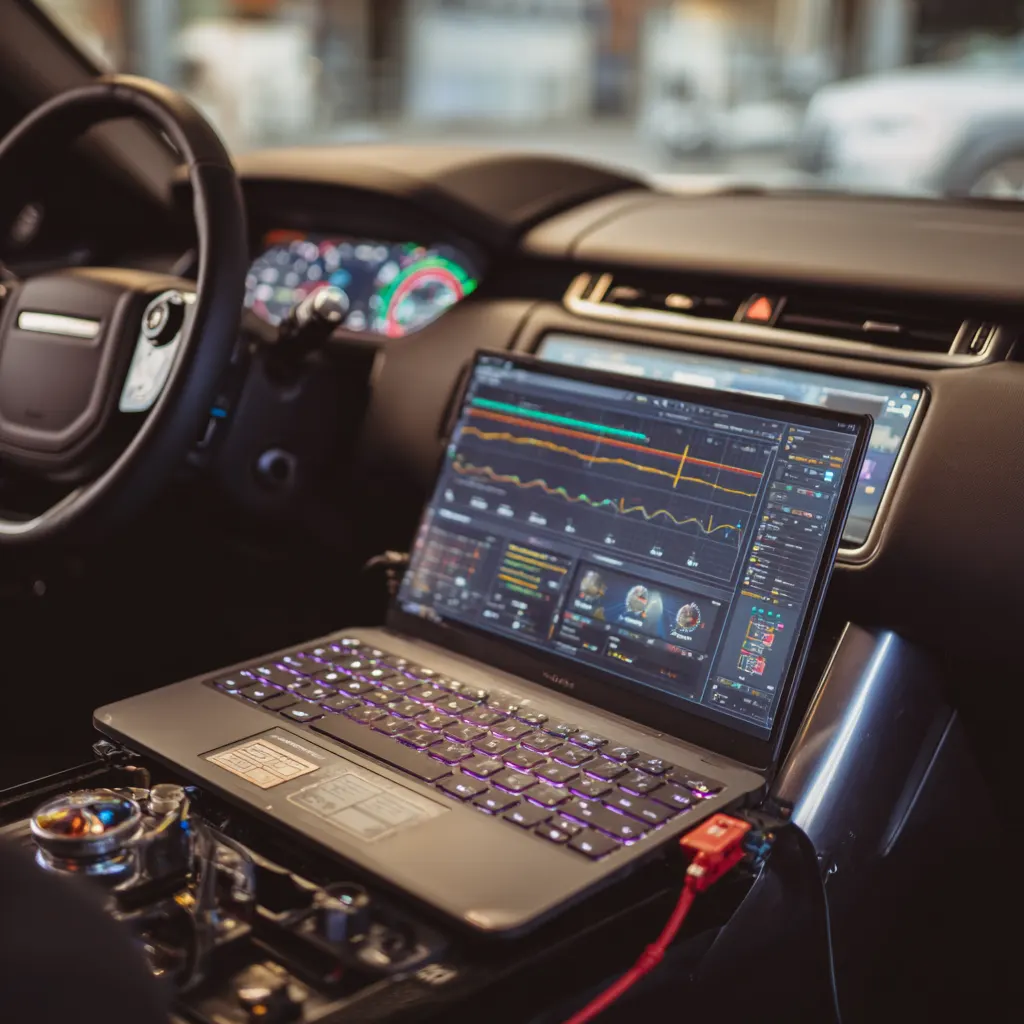
VW Immobilizer Repair in Dallas
Start-then-stall, flashing key light and cluster immobilizer faults diagnosed and fixed on-site.
A Volkswagen that cranks, fires for a second and dies is not broken in the engine — it is being deliberately shut down by its own immobilizer. On most VW generations that decision is made inside the instrument cluster, which is why key trouble, cluster trouble and no-start trouble are one subject on these cars. Dallas Locksmith Pros repairs VW immobilizer faults on-site across Dallas.
Quick Answer
Most VW immobilizer repairs in Dallas run $200-$500 depending on the root cause — a key re-adaptation sits at the bottom of that band, antenna and cluster-side work toward the top. A replacement cluster that needs key data adapted into it is quoted as module work from the VIN. We diagnose at your location before anything is replaced, so you never pay for parts the fault did not need.
What This Costs in Dallas
Ranges current as of July 2026. Final price depends on year, make, model, and whether a working key exists — confirmed on the phone before dispatch.
| Service | Typical range | What drives it |
|---|---|---|
| Immobilizer diagnosis and repair | $200-$500 | Root cause first; most faults resolved in one visit |
| Key re-adaptation / immobilizer re-sync | $120-$280 | When existing keys are healthy but no longer trusted |
| Replacement transponder key | $120-$200 | Cut and adapted; remote head keys $160-$280 |
| Cluster key adaptation after replacement | $250-$600 | Keys written into a new or used immobilizer host |
| Used cluster prepared and coded to your VIN | $400-$900 | Donor data cleared before your keys go in |
| Dealer comparison for the same work | $700-$1,100+ | Usually plus a tow for a car that will not run |
The VW Immobilizer Chain From Chip to Crankshaft
The sequence is short and unforgiving. When the ignition goes live, an antenna coil around the lock energizes the transponder in the key, the chip answers with a coded response, and the immobilizer host checks that answer against its stored key list. Pass, and the host exchanges a second handshake with the engine controller that releases fuel and injection. Fail at any link — dead chip, weak antenna, corrupted key list, broken host-to-ECU handshake — and the engine is allowed to catch for roughly a second before being shut down. That start-then-stall signature is the immobilizer's fingerprint, and it tells us the mechanical engine is almost certainly fine.
Why VW Key Security Lives in the Dashboard
Volkswagen made an architectural choice that surprises owners: on most Jetta, Passat, Golf, Tiguan and Touareg generations the instrument cluster is the immobilizer. The key list, the vehicle security data and the authorization logic sit in the same unit that runs your speedometer. The practical consequences are large. A failing cluster — dead pixels, gauges that sweep on their own, intermittent blackouts — can take key recognition down with it. A cluster swapped for a used one brings someone else's key list, so your keys are strangers to it. And any repair shop that replaces a cluster without adapting keys hands back a car that will never start. We handle the security side of exactly that situation.
Reading the Symptoms Before Touching Parts
The patterns separate cleanly. Engine starts then dies within two seconds, key symbol flashing in the cluster: authorization failed, and the fault is somewhere between chip and host. Cranks with no fire at all is more often fuel, spark or crank-signal territory than immobilizer. One key works and the other does not: the bad key's transponder, not the car. No key works, especially right after cluster work, a jump start or a battery swap gone wrong: host-side data, not the keys. Immobilizer light stays on steady after start: usually a stored fault worth reading, not an active block. Getting this triage right is the difference between a $200 fix and a parts cannon.
What Each Immo Generation Means for the Fix
Repair procedure follows generation. The earliest transponder VWs used a separate immobilizer box with simple adaptation, and surviving examples are quick work. The cluster-hosted generations that cover most VWs on Dallas roads keep encrypted key data in the dash, and repairs there mean reading that protected memory, correcting or rewriting it, and re-adapting keys with the engine controller in agreement. The latest platforms distribute security further and gate some operations behind manufacturer online sessions. The same flashing-key symptom can therefore be an hour or an afternoon depending on the year — which is why we identify the generation from your VIN before quoting, not after arriving.
The Repair Ladder We Actually Follow
We fix the cheapest true cause first. Step one, prove each key: a transponder can be read and tested independently of the car, which instantly sorts bad key from bad car. Step two, test the antenna ring around the ignition lock — a common, inexpensive failure that mimics dead keys. Step three, interrogate the cluster and read its immobilizer status and fault memory to find corrupted key data or a dying host. Step four, verify the host-to-ECU handshake, because a mismatch there — typically after someone swapped one of the two modules — blocks starting even with perfect keys. Only when the ladder proves a hardware failure do we talk about replacing anything.
Cluster and Key Adaptation Done Properly
When the host itself is the casualty, the repair is a coded transplant, not a parts swap. A new cluster arrives empty of key data; a used one arrives loyal to its donor car. Either way the unit has to be prepared, married to your VIN, and have your keys written into it, then re-introduced to the engine controller so both ends of the security handshake agree. Done right, every existing healthy key works again and the odometer and coding carry over correctly. Done wrong — and we see the aftermath regularly — the car communicates perfectly on a scan tool and still refuses to run. This is the job our engine-side Audi and Volkswagen ECU programming service mirrors from the other end of the handshake.
Mobile VW Immobilizer Service in Dallas
An immobilized Volkswagen cannot drive to anyone, so we come to it. Call with the year, model and VIN and describe the symptom; we quote the diagnostic visit and probable repair band on the phone. A technician dispatches to your location anywhere in Dallas — home, office, apartment garage — verifies ownership, and runs the ladder above with factory-level diagnostics. Most faults are resolved in the same visit; when the honest answer is that your platform gates the needed operation behind a dealer-online session, we tell you that at the diagnosis stage instead of billing hours against a wall. Around-the-clock scheduling, seven days a week.
How Volkswagen Immobilizer Repair Works, Step by Step
- 1
Phone quote from your VIN
You give year, model, VIN and the symptom — flashing key light or start-then-stall; we identify the immo generation and quote the diagnostic and probable repair band.
- 2
Prove each key and test the antenna
We read and test each transponder independently to sort bad key from bad car, then test the antenna ring around the ignition lock.
- 3
Interrogate the cluster immobilizer
We read the cluster's immobilizer status and fault memory to find corrupted key data or a dying host, since VW security lives in the dash.
- 4
Repair the true cause
We re-adapt healthy keys, correct or rewrite the protected memory, or code a replacement cluster to your VIN and verify the host-to-ECU handshake agrees.
- 5
Verify the engine runs and keys work
The visit ends with the engine running and every healthy key verified — not a referral — with the immobilizer light out and faults cleared.
Where the honest limit is
We repair immobilizer faults across the VW range that dominates Dallas driveways, and we are equally plain about the edge: the newest distributed-security platforms gate certain adaptations behind manufacturer online sessions we cannot always complete at the curb. When that is your car, you hear it before money changes hands. A technician confirms your exact setup from the VIN before dispatch.
Need This Service?
Same-day mobile service across Dallas & DFW. Call or text us now.
Where the Dealer's Extra Cost Goes
Same programming result — but the dealership path stacks a tow, a bench-time charge, and franchise labor on top. Here is the line-item difference.
| Cost line | At the dealership | Dallas Locksmith Pros |
|---|---|---|
| Tow to the dealership | $120–$250 | $0 — we come to you |
| Diagnostic / bench time | $120–$200 | Included |
| Key or module (part) | Retail markup | Fair, quoted upfront |
| Programming labor | Franchise rate | Included |
| Days without the car | Often 2–5 | Same day |
| All-in, typical | $700–$1,100+ | Usually 40–60% less |
Ranges as of July 2026. Your exact price is confirmed from the year, make, and model before dispatch.
Reviewed by the Dallas Locksmith Pros team
Licensed Texas automotive locksmiths · DPS Private Security #B32279201
Related Services
Specialist Programming Services




































Frequently Asked Questions
That start-then-stall pattern is the immobilizer doing exactly what it was designed to do: the engine is permitted to catch, authorization fails, and injection is cut. The engine itself is almost certainly healthy. The fault sits between the key transponder, the antenna ring and the cluster-hosted immobilizer, and diagnosis tells us which link failed.
The cluster is reporting that it could not authorize the key in the ignition. Causes range from a dead or cracked transponder chip and a weak antenna coil to corrupted key data inside the cluster itself. It is a security fault, not an engine fault — and it is diagnosable at your location without guessing at parts.
Most repairs land between $200 and $500 depending on root cause. A key re-adaptation or re-sync runs $120-$280, a replacement transponder key $120-$200, and cluster-side work involving key data written into a new or used host is quoted as module work — typically $250-$600, or $400-$900 when a donor cluster must be cleared and coded to your VIN.
Yes, but never by plugging it in. A donor cluster carries the donor's key list and security data and will refuse your keys entirely. It has to be prepared, coded to your VIN, loaded with your key data and re-introduced to the engine controller. We do that adaptation on-site, which is usually far cheaper than a new dealer cluster.
No — the security data lives in non-volatile memory and survives without power, so the battery trick that circulates online does nothing here. Worse, a low-voltage event during a jump or a sloppy battery swap is one of the ways cluster data gets corrupted in the first place. If the car stopped recognizing keys after battery work, that history is the first thing to tell us.
Yes. The car cannot drive to a shop, so the shop drives to the car — home, workplace or parking garage, anywhere in Dallas, 24/7. Diagnosis, key testing, antenna checks, cluster interrogation and adaptations all happen curbside, and the visit ends with the engine running and every healthy key verified, not with a referral.
Get Expert Help Today
Mobile service across Dallas & DFW. Dealer-level tools. No guesswork.