
Airbag / SRS Module Reset in Dallas
Crash hard-codes cleared on-site after the airbags are physically repaired by a body shop.
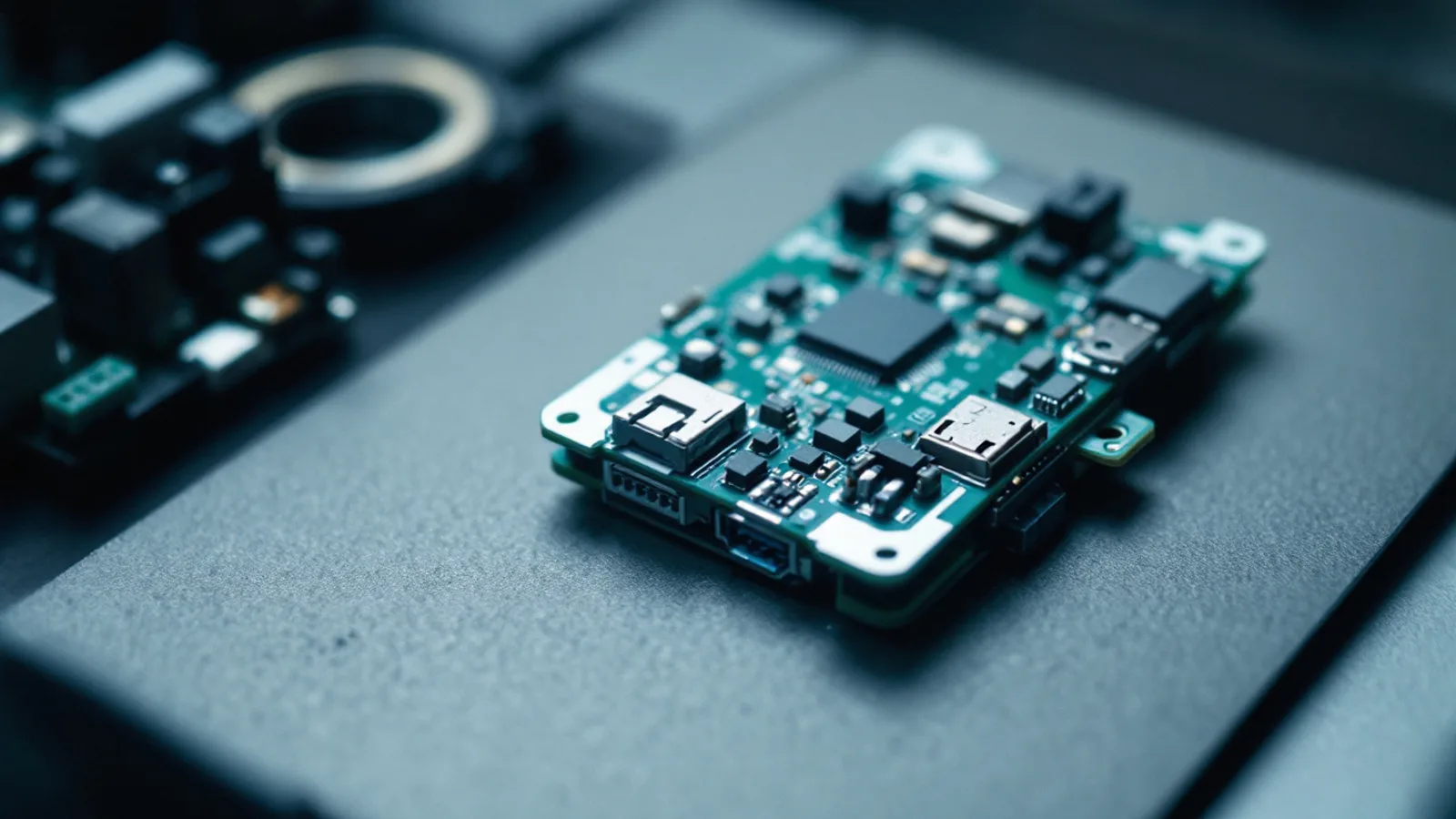
An airbag or SRS module reset clears the crash hard-code stored inside the restraint control module after a deployment or fault, so the system reads ready and the SRS warning light goes out. Dallas Locksmith Pros performs this as data work on the module — EEPROM-level reset or bench programming — for vehicles whose restraint hardware has already been properly repaired. We correct the stored crash lock, never the airbags themselves.
Quick Answer
An airbag SRS module reset in Dallas runs $80-$200, done by clearing the stored crash data so the module reads ready and the SRS light clears. This is data work on the control module — not airbag replacement — and we only perform it after the physical restraint system has been properly rebuilt by a body shop. Most resets finish inside 30 to 60 minutes, mobile, and we quote from your VIN first.
What This Costs in Dallas
Ranges current as of July 2026. Final price depends on year, make, model, and whether a working key exists — confirmed on the phone before dispatch.
| Service | Typical range | What drives it |
|---|---|---|
| SRS crash-data reset | $80-$200 | EEPROM crash lock cleared, module reads ready |
| On-bench module read and repair | $250-$600 | When the reset needs board-level access |
| Used SRS module virgin coding | $400-$900 | Donor unit reset and coded to your VIN |
| Restraint module replacement with programming | $600-$1,200 | New or reman module coded to your car |
| Immobilizer relearn after module work | $120-$280 | Re-teaching security you already own |
| Typical dealer module total | $700-$1,100+ | Before the tow and the multi-day wait |
What a Crash Hard-Code Actually Is
When a collision triggers deployment, the restraint control module does more than fire the airbags — it burns a permanent crash record into its memory. That record is a one-time lock: the module is designed to fire once, then refuse to arm again until the stored fault is cleared and the hardware behind it is renewed. The lock lives in the module's EEPROM, a small non-volatile chip that keeps its contents with the battery disconnected. A hard-code differs from an ordinary trouble code because a scan tool cannot simply erase it; the crash data has to be located in the EEPROM and reset at the byte level. That is the work we do.
Reset Versus Replacement: Why the EEPROM Matters
There are two honest ways to clear a locked SRS module: reset the one you have, or replace it with a coded unit. Resetting reads the EEPROM, identifies the crash-data region, and returns those bytes to their pre-deployment state so the module arms normally again — the cheapest and least wasteful path at $80-$200. Replacement means fitting another restraint module and, on most modern cars, coding it to the VIN so the vehicle accepts it. A used module that has not been reset carries someone else's crash lock, which is why a junkyard swap alone rarely fixes the light. We recommend the reset whenever the original module is electrically sound.
The Airbag Honesty Line We Never Cross
Here is the single most important thing we will tell you: resetting a crash hard-code is data work on a computer, not airbag repair. Clearing the stored fault makes the module read ready — it does not replace a deployed airbag, re-arm a spent inflator, renew a blown seatbelt pretensioner, or make a crashed car safe to drive. A deployed restraint system must be physically rebuilt with new airbags, pretensioners and clock-spring by a qualified body shop before the reset means anything. We perform the reset only after that physical work is done, and we will never tell you a car whose airbags are not physically restored is safe to drive.
Why a Used SRS Module Still Throws a Crash Code
Swapping in a used restraint module from a donor car is a common driveway shortcut that usually fails, and the reason is stored in memory. Every module that has lived through a deployment keeps its own crash lock in its EEPROM, so a unit pulled from a wrecked donor arrives pre-locked and lights the SRS lamp the moment it is plugged in. Even a module from an undeployed car may hold configuration or VIN data that does not match your vehicle, which sets a mismatch fault. That is why a used module is only a real fix once it has been reset to a virgin state and, where required, coded to your VIN — the same bench work we do on your original.
Reading the SRS Light Before Touching Anything
Before any reset, we read the module to see what the light is really telling us. A stored crash hard-code after a known collision is the straightforward case. But an SRS lamp with no accident history often points somewhere else entirely — a corroded seat-occupancy sensor, a frayed clock-spring in the steering column, a loose connector under a seat, or a pretensioner circuit fault. Resetting a module that is reporting a live hardware fault only turns the light off until the next key cycle, which helps no one. We scan first, separate stored crash data from active faults, and reset only when the code is genuinely a latched deployment record rather than a symptom of something still broken.
Booked by VIN, Reset at the Curb
The path is deliberately clear. You give us the year, make, model and VIN, tell us whether the car has already had its airbags and pretensioners physically replaced, and we quote the $80-$200 reset over the phone. On arrival the technician verifies the vehicle against the VIN, confirms the restraint hardware has been renewed, then reads and resets the module's crash data at your location — most jobs run 30 to 60 minutes. We finish by scanning for a clean SRS status and confirming the warning light stays off through a full key cycle. If the hardware is not yet repaired, we tell you to see a body shop first.
How Airbag / SRS Module Reset Works, Step by Step
- 1
Phone quote and confirm the repair is done
We quote the $80-$200 reset from your VIN and confirm a body shop has already physically replaced the airbags, pretensioners and clock-spring — the reset is meaningless before that.
- 2
Verify the vehicle and renewed hardware
On arrival we match the car against the VIN and confirm the restraint hardware has genuinely been rebuilt; we never reset a module on a car whose airbags are not physically restored.
- 3
Scan and separate crash data from live faults
We read the module first to distinguish a latched deployment record from an active fault like a seat sensor or clock-spring, and reset only when it is a true crash hard-code.
- 4
Reset the crash region in the EEPROM
We locate the crash-data region in the module's EEPROM and return those bytes to their pre-deployment state so the restraint module arms normally again.
- 5
Verify a clean SRS status
We scan for a clean SRS status and confirm the warning light stays off through a full key cycle — proof the module reads ready, not that a crashed car is safe.
Where the honest limit is
Some late-model restraint modules encrypt their crash data or lock it behind a manufacturer online session, and those cannot always be reset on the bench — when your VIN falls on that side, we say so before you spend a dollar rather than after. And we reset only modules whose vehicles have had the physical airbag repair completed. A technician confirms your exact setup from the VIN before dispatch.
Need This Service?
Same-day mobile service across Dallas & DFW. Call or text us now.
Where the Dealer's Extra Cost Goes
Same programming result — but the dealership path stacks a tow, a bench-time charge, and franchise labor on top. Here is the line-item difference.
| Cost line | At the dealership | Dallas Locksmith Pros |
|---|---|---|
| Tow to the dealership | $120–$250 | $0 — we come to you |
| Diagnostic / bench time | $120–$200 | Included |
| Key or module (part) | Retail markup | Fair, quoted upfront |
| Programming labor | Franchise rate | Included |
| Days without the car | Often 2–5 | Same day |
| All-in, typical | $700–$1,100+ | Usually 40–60% less |
Ranges as of July 2026. Your exact price is confirmed from the year, make, and model before dispatch.
Reviewed by the Dallas Locksmith Pros team
Licensed Texas automotive locksmiths · DPS Private Security #B32279201
Related Services
Specialist Programming Services




































Frequently Asked Questions
No, and this is the most important point to understand. A reset is data work that clears the stored crash code so the module reads ready — it does not replace a deployed airbag, re-arm an inflator, or make a crashed car safe. The physical restraint system must be rebuilt by a body shop first; we never tell you a car whose airbags are not physically restored is safe to drive.
An SRS crash-data reset runs $80-$200 depending on the vehicle and how the module stores its data. That covers reading the EEPROM, clearing the latched crash hard-code, and confirming a clean SRS status before we leave. If the module needs bench-level or VIN coding instead of a straight reset, we quote that from your VIN before any work starts.
Because the restraint control module still holds the crash hard-code it burned in at deployment. Fitting new airbags and pretensioners renews the hardware, but the module keeps its one-time lock in EEPROM until that stored data is reset. Once the physical repair is done, clearing the crash code is the final step that lets the module arm and turns the light off.
Usually not without extra work. A used module from a deployed donor arrives carrying its own crash lock and lights the SRS lamp immediately, and even an undeployed unit may hold VIN or configuration data that mismatches your car. It becomes a real fix only after it is reset to a virgin state and coded to your VIN — the same bench work we can do on your original module.
A crash hard-code is a permanent record the restraint module writes to its EEPROM when it fires, designed as a one-time lock so the system cannot silently re-arm after a collision. An ordinary scan tool erases live trouble codes but cannot touch this latched data, because it is stored outside the normal diagnostic memory. Clearing it requires locating and resetting the crash region in the EEPROM directly.
Yes — we work mobile across Dallas, 24/7, and most SRS module resets finish in 30 to 60 minutes at your location once the physical airbag repair is complete. We verify the car against the VIN, reset the module's crash data, and confirm a clean SRS status through a full key cycle before leaving. Modules needing bench-level work may take longer, and we tell you that up front.
Get Expert Help Today
Mobile service across Dallas & DFW. Dealer-level tools. No guesswork.